The Perfect Chiang Mai City Guide
Tuakah & Anna · Thailand 2026 · 18 min read
Chiang Mai has a way of getting into your head before you even get there. You hear about it from every traveler who has been to Thailand more than once. From the food and the slower pace, to the mountains and the elephants sitting just outside the city. Chiang Mai is now an unforgettable part of Thailand that we will remember forever thanks to all the wonderful experiences we had here. We visited for three days and can’t wait to go back. This Chiang Mai city guide is everything we learned, everything we ate, and every place that made us want to come back before we had even left.
Chiang Mai at a Glance
Why Chiang Mai?
If Bangkok burnt you out, then Chiang Mai is the perfect cool down. We spent days running through Bangkok’s busy streets, so Chiang Mai was the calm after the storm for us… a wonderful storm of course. Chiang Mai feels like home away from home while still being a great vacation destination. It has the energy of a familiar city with great restaurants, a notable coffee scene, and shopping suitable for all while simultaneously maintaining nightlife culture without being as intense as Bangkok. The Old City preserves historic elements of the city. Nimman caters to digital nomads and young adults with its youthful energy and design conscious cafes. Just outside of the city, you’ll find peace in the mountains, waterfalls, and elephant sanctuaries. Its a place where anyone can find their peace and joy.
Aside from the incredible atmosphere, Chiang Mai is also one of the most affordable cities in Southeast Asia for the quality you get here. A meal at a night market, ฿50. A traditional Thai massage, ฿200–฿300 an hour. You can even get a well designed guesthouse in the old city for under for under ฿1,000/night. This combination of quality, affordability, and character is rare and so worth it.
Chiang Mai vs Bangkok: If you are deciding between the two, Bangkok wins on scale, nightlife, and variety overall. Chiang Mai wins if you love a slower pace, food culture, and access to nature. We recommend visiting both, but Chiang Mai might make you want to stay a while.
Our Time in Chiang Mai
Best Things to Do in Chiang Mai
Chiang Mai is perfect for slow travel. We had the best days when they weren’t planned, but a shortlist of things to do kept us from wasting time. Here are a few things worth adding to your list.
Take a Thai Cooking Class
Chiang Mai is one of the best cities to learn Thai cooking. Morning market tours, fresh ingredients, four or five dishes in one class. Do this on day one or two to reset expectations about what Thai food actually means. Most classes run ฿900–฿1,500 including market tour.
Sunday Walking Street (Wualai Road)
Every Sunday, Wualai Road fills with craft vendors, handmade silver, local artists, and more food stalls than you can work through in one night. Go at 5pm before the crowds arrive. Sunday only · 4pm–10pm · Wualai Road, Old City
Doi Suthep Day Trip
Chiang Mai's iconic mountain viewpoint just 15km outside the city. The views over the valley are worth the climb alone. Go early (before 8am) to beat tour groups and catch the mist still sitting in. Songthaew from Old City runs ฿50–฿80.
Night Bazaar & Chang Khlan Road
The Night Bazaar is Chiang Mai's original evening market. Here you can find clothes, handicrafts, and surprisingly good food court options. It's less curated than Sunday Walking Street, more chaotic, but an essential Chiang Mai experience. Daily · 6pm–midnight · Chang Khlan Road
Spend a Morning in Nimman
Nimman is Chiang Mai's creative quarter with specialty coffee, independent boutiques, gallery spaces. It's small and you'll find the best cafes off the main road. Plan for atleast one slow morning here.
Traditional Thai Massage
Chiang Mai is one of Thailand's best cities for traditional Thai massages. They're also affordable here. Reputable places start at ฿200–฿250/hour. Ask your guesthouse for a recommendation or look for places with posted TTMA certification.
Ethical Elephant Sanctuary
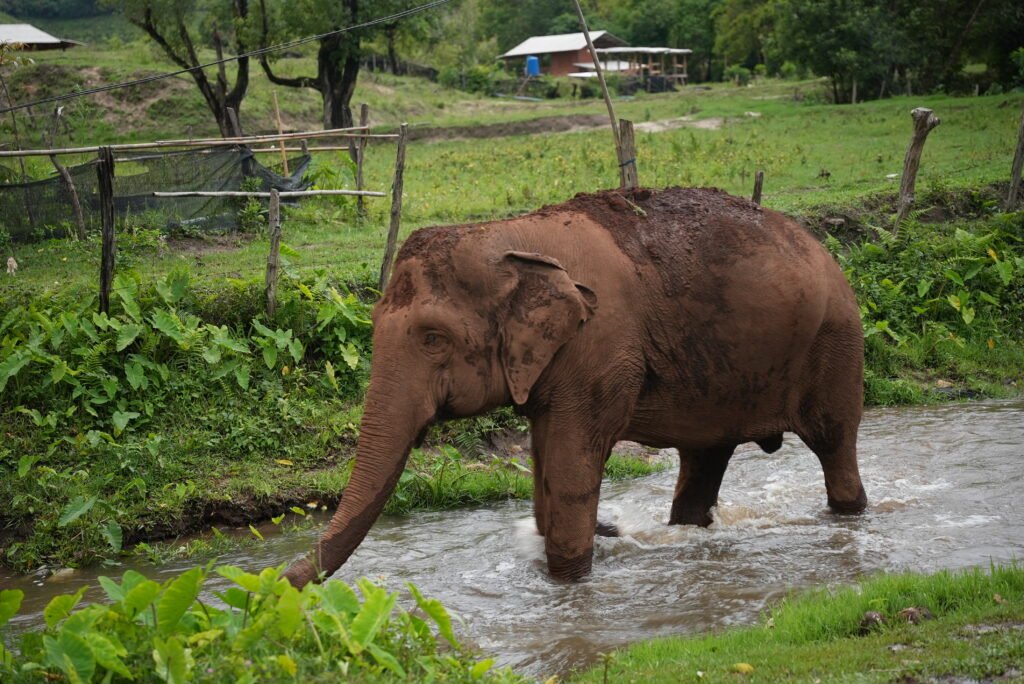
Look for sanctuaries that do not offer riding, and where elephants roam freely. We had the most magical expereince at Big Boy Elephant Sanctuary.It is a newer sanctuary that offers pickup, activites (making food for the elephants), and making your own lunch which was actually amazing.
Chiang Mai City Arts & Cultural Centre
For a genuine understanding of Chiang Mai's Lanna history, the CMBACC is the best 90 minutes you can spend in the Old City. Beautifully restored colonial building, thoughtfully curated exhibits, almost never crowded. Entry ฿90. Tue–Sun · 8:30am–5pm
Unique Experiences
A few things that made Chiang Mai special…
Warorot Market (Kad Luang)
Chiang Mai's oldest and largest public market, operating since 1910. Four floors of fabric, local snacks, Northern Thai herbs, and cheap luggage. Go early (7am–9am) when the food stalls are running at full capacity.
Saturday Night Market (Wualai)
Quieter than Sunday Walking Street, although it's the same road, slightly smaller, but with fewer crowds and a more local feel. Silver jewellery is the speciality here; Wualai has been Chiang Mai's silversmithing district for centuries. Saturday only. 4pm–10pm
Rooftop Sundowner
Chiang Mai's rooftop scene is lowkey but lovely. The best spots face west for sunset views over the Old City moat and the mountains beyond. [Add your recommendation here — bar name + what you ordered]
A Morning Coffee Crawl Through Nimman
Northern Thailand produces some of Thailand's best single-origin coffee — the highlands around Doi Suthep grow beans that rival anything from Central America. Nimman's specialty coffee shops source directly from hill tribe farms. Ristr8to, Akha Ama, and Graph are the names worth knowing.
Chiang Mai Food Guide
Northern Thai cuisine is in its own category… its so good. Khao soi is a dish that we never knew we needed and couldn’t get enough of, pad kra pao quickly because a staple thai dish for us, and we were finally able to give khao man gai a try in Chiang mai.
This is the khao soi spot that locals will point you to every single time and for good reason. The broth has been going since early morning, the noodles are hand made, and the heat creeps up on you in the best way. Get there before noon because they sell out and you will regret missing it. Cash only and worth every baht.
Mon–Sat · 8am–2pm or when sold out · Get directions
Huen Phen has been around since the 1970s and it shows in the best way possible. Daytime is a no frills canteen serving proper Northern dishes. At night it turns into a warm lantern lit dining room that feels like stepping into old Chiang Mai. Order the nam prik noom, the sai oua, and whatever the khantoke set is that evening. Book ahead for dinner because it fills up fast.
Daily · 8am–3pm (canteen) · 5pm–10pm (dining room) · Get directions
If you only go to one coffee shop in Chiang Mai make it this one. The beans are single origin grown by the Akha hill tribe community in Mae Chan Tai village at 1,500 metres above sea level. The founder Lee Ayu sources directly from his home village which makes every cup feel like it actually means something. The Nimman branch has the best seating.
Daily · 8am–6pm · akhaama.com
Every local in Chiang Mai will send you here and they are absolutely right. SP Chicken does one thing which is rotisserie grilled chicken and it is seriously good. Get the half chicken with sticky rice and papaya salad. Cash only and the queue gets long after 7pm so aim to arrive around 5:30pm to stay ahead of it.
Daily · 5pm–10pm or when sold out · Get directions
Do not sleep on the food court inside Maya Mall in Nimman. It is affordable, air conditioned, and has a solid range of Thai dishes that are genuinely good. Great option when you want something quick and filling without sacrificing quality after a long day of exploring.
Daily · 10am–9pm · Maya Mall, Nimman Road
One Nimman is an open air lifestyle complex right in the heart of Nimman and the food court here is one of the best spots for a casual lunch in the area. A mix of Thai street food stalls and more modern cafe style spots means there is genuinely something for everyone. The atmosphere is relaxed and the people watching is great.
Daily · 10am–10pm · One Nimman, Nimmanhaemin Road
If Akha Ama is the soulful choice then Ristr8to is the technically obsessive one. Former barista champions run this place and you can feel it in every cup. The espresso is precise and seriously good. Better for a solo morning than a group outing. Go to the original Nimmanhaemin location.
Daily · 7am–6pm · Get directions
Both of these markets are food experiences first and shopping second. Sunday Walking Street on Wualai Road has the best variety of street food in the city. Pad thai, mango sticky rice, roti with condensed milk, and Northern Thai dishes you will not find on any restaurant menu. Warorot is better in the daytime and has the best selection of Northern Thai snacks and herbs in Chiang Mai.
Sunday Walking Street: Sunday 4pm–10pm · Warorot: Daily 6am–5pm
Chiang Mai Food Challenge
We let Chiang Mai locals decide what we eat for 24 hours.
How to Get to Chiang Mai
By Air
Chiang Mai International Airport (CNX) handles direct flights from Bangkok, Singapore, Kuala Lumpur, Hong Kong, Seoul, and several Chinese cities. Flying from Bangkok takes about 1 hour 10 minutes and is the most popular way to get there. AirAsia and Thai Lion Air run the cheapest domestic fares so check both before booking.
By Train
The overnight sleeper train from Bangkok’s Hua Lamphong station to Chiang Mai is one of the great Thai rail journeys and honestly one of the most underrated ways to travel in Southeast Asia. The first class sleeper is comfortable, air conditioned, and costs around ฿1,200 to ฿1,500. It departs in the early evening and arrives in Chiang Mai by morning which means you save a night of accommodation and wake up already in the north. Book through the SRT website or via 12Go Asia.
By Bus
VIP buses from Bangkok run overnight to Chiang Mai in around 10 to 11 hours. It is the cheapest option at around ฿400 to ฿700 but it is a long ride. The train is a better experience for most travelers unless you are on a very tight budget.
Where to Stay in Chiang Mai
Where you stay will shape your entire trip. The city has four distinct areas that each attract a different kind of traveller. Here is an honest breakdown of each neighbourhood and what it is best for so you can pick the one that suits your style.
Historic Centre
The most atmospheric place to stay especially for a first visit. Walking distance to Sunday Walking Street, local restaurants, and the moat. Guesthouses from ฿400 a night up to design hotels at ฿2,500 and above. Best for first timers and shorter stays.
Best for: First timersSearch hotels →
Creative District
Where you want to be for good coffee, boutique hotels, and a neighbourhood with real evening energy. A short Grab ride from the Old City so you are not cut off from anything. Expect ฿1,200 to ฿4,000 a night for quality accommodation.
Best for: Longer staysSearch hotels →
Chang Khlan Road
More geared towards package tourism but has the city's best big hotel options if you want international brands with rooftop pools. Convenient for the Night Bazaar and riverside dining. Works well for short trips where convenience is the priority.
Best for: Short tripsSearch hotels →
Local Quarter
The most residential and local feeling neighbourhood on this list. Food prices are the best in the city and the vibe is genuinely authentic. You will need a scooter or Grab to get around but guesthouses start from ฿350 a night making it the best value option.
Best for: Budget · Long staysSearch hotels →
The Chaya Resort and Spa
We stayed at The Chaya Resort and Spa and the property itself is genuinely lovely. Clean, well designed, and the staff we interacted with were warm and helpful. Worth knowing before you book though: the resort was under construction during our stay which affected the atmosphere and some amenities were running with minimal staff. It has real potential and could be a great pick once the work is complete. Check current reviews before booking to see where things stand.
Check Availability →Best Time to Visit Chiang Mai
November to February is the sweet spot. Cool dry weather between 16 and 28 degrees, low humidity, and the city at its most photogenic. This is also when Yi Peng Lantern Festival and Loi Krathong happen in November which draws big crowds so book accommodation early if you are targeting that window.
March to May brings Chiang Mai’s smoke season. Agricultural burning in the surrounding hills creates haze that can get serious in March and April. Air quality drops significantly and this is the one time we would hesitate to recommend the city especially if you have respiratory concerns. Songkran Thai New Year water festival happens in April and is chaotic fun if you embrace it fully.
June to October is rainy season and honestly one of the most underrated times to visit. The city is lush and green, tourist numbers drop, and prices follow. Rain typically comes in afternoon bursts rather than all day downpours which means mornings are almost always free for exploring.
How Many Days Do You Need in Chiang Mai?
The Essentials
Enough time for a cooking class, one evening at the Night Bazaar, a morning in Nimman, and a day trip to Doi Suthep. You will leave feeling like you scratched the surface in the best way but also wishing you had more time.
The Ideal Visit
Everything above plus a full day at an ethical elephant sanctuary, a slow morning at Warorot Market, Sunday Walking Street if your timing lines up, and actual time to sit in a cafe and do nothing. You will leave satisfied rather than rushed.
Slow Travel Mode
A week or more unlocks day trips to Pai, Chiang Rai, or the Mae Hong Son loop. Nimman starts to feel like your neighbourhood. You begin to understand why so many people come to Chiang Mai for a week and end up staying for months.
Suggested 5-Day Chiang Mai Itinerary
No rushing. This is how we would actually spend five days in Chiang Mai with time to eat well, move slowly, and not feel like we have been through a checklist
Arrive and Get Your Bearings
Check in, walk the Old City moat, and find a good coffee in the afternoon. Evening at Huen Phen for your first proper Northern Thai meal. Early night because Chiang Mai rewards early mornings.
Thai Cooking Class
Full morning to afternoon cooking class including market tour. Most finish by 3pm so spend the rest of the afternoon recovering at a Nimman cafe. Evening at the Night Bazaar for a casual dinner at the food court.
Doi Suthep and Nimman Afternoon
Early start at 7am to Doi Suthep before the day tours arrive. Back in the city by 11am. Lunch at SP Chicken. Long afternoon in Nimman with coffee at Ristr8to, browsing the sois, and a sundowner at a rooftop bar.
Elephant Sanctuary Day
Full day at Big Boy Elephant Sanctuary. Most programs pick up from your hotel and return by 5pm. Light evening with dinner from a night market stall and an early night.
Sunday Walking Street and a Slow Morning
Slow morning to start, then Warorot Market at 8am while the food stalls are at full capacity. Mid morning coffee at Akha Ama. Traditional Thai massage in the afternoon at ฿200 to ฿250 an hour. Early evening on Sunday Walking Street for your final Chiang Mai meal. Perfect ending.
Chiang Mai Cost Breakdown
| Category | Budget | Mid-Range | Splurge |
|---|---|---|---|
| Accommodation | $10 – 18 | $26 – 52 | $100+ |
| Meals per day | $3 – 6 | $10 – 20 | $40+ |
| Transport | $1 – 3 | $5 – 10 | $20+ |
| Activities | $3 – 8 | $15 – 30 | $80+ |
| Total per day | ~$17 – 35 | ~$56 – 112 | $240+ |
Prices approximate. USD estimates based on ฿1 = $0.029.
Travel Tips and Packing Essentials
Practical Tips
Get a Thai SIM at the airport when you land. AIS and DTAC both offer 30 day data plans for around ฿300 and it is worth every baht. Download Grab before you arrive. Carry small bills in ฿20 and ฿50 denominations for market food and songthaews because change is often not available at stalls. Most guesthouses and markets are cash only so take out larger amounts less often to avoid the ฿220 ATM fee that hits every foreign withdrawal.
Light layers are useful November through February when evenings can drop to around 15 degrees. Air conditioning in malls and some restaurants can be aggressive so having a light layer in your bag is genuinely useful year round. Tap water is not drinkable anywhere in Thailand but refill stations are everywhere at around ฿1 per litre so bring a reusable bottle and use them.
What to Pack
Lightweight breathable clothes are the foundation of any Chiang Mai packing list. Add one long sleeve layer for cool evenings and aggressive AC, comfortable walking shoes for the uneven cobblestones in the Old City, and a small day bag for market wandering. Sunscreen is available locally but expensive compared to bringing it from home. A portable power bank is useful for long days out when you are relying on Grab and Google Maps.
Chiang Mai City Guide FAQ
Yes and it is consistently one of the safest cities in Southeast Asia for solo travel including solo female travellers. Standard awareness applies but the city is genuinely relaxed and low stress. Use Grab at night rather than negotiating with tuk tuk drivers and you will be absolutely fine.
Visa rules vary by passport. Most Western passport holders receive a 60 day visa exemption on arrival as of 2024. Thailand also introduced a Destination Thailand Visa for longer stays. Always check current requirements with the Thai embassy for your country before travelling as rules can change.
Old City for first timers because it is the most walkable and atmospheric. Nimman for longer stays or if you prioritise coffee culture and boutique hotels. See our full neighbourhood breakdown in the Where to Stay section above for a detailed comparison.
Absolutely and Chiang Mai is one of the best places in Thailand to do one. The morning market portion alone makes it worthwhile. Spend the extra money on a class that includes the market tour rather than one that starts straight in the kitchen. Most run between ฿900 and ฿1,500 per person.
Yi Peng falls on the full moon of the second month of the Lanna lunar calendar which usually lands in November coinciding with Loi Krathong. The most authentic experience is watching lanterns rise from the moat and Old City streets during the official evening rather than the ticketed commercial event at Maejo University. Check the Tourism Authority of Thailand for current year dates.
If you are comfortable on a scooter and have experience riding one then yes it is the best way to get to Doi Suthep and explore beyond the moat. If you have never ridden one before then Chiang Mai traffic is not the place to learn. Use Grab and songthaews instead because the city is very manageable without a scooter.
Khao soi is Chiang Mai's signature dish and one of the best things you will eat in all of Thailand. It is a rich coconut curry broth served over egg noodles with crispy fried noodles on top, pickled mustard greens, shallots, and lime on the side. It is a Northern Thai dish and nowhere else does it as well as Chiang Mai. Our pick is Khao Soi Khun Yai in the Old City. Get there before noon.

We're Tuakah & Anna — a married couple documenting slow travel across Southeast Asia and beyond. Honest guides, real experiences, no fluff.
Read Our Story →